Leading Liquor and Wine Logistics Company
The global beverage industry has experienced remarkable growth over the last decade, with premium wines, imported whiskies, craft spirits, luxury champagnes, and international liquor brands expanding into emerging markets such as India. As demand continues to rise, businesses require more than just transportation—they need a logistics partner that understands customs regulations, warehousing requirements, compliance standards, and international supply chain management.(leading liquor and wine logistics company)
Choosing a leading liquor and wine logistics company is one of the most important decisions for importers, exporters, distributors, retailers, airport duty-free operators, hotels, restaurants, and premium beverage brands. Alcohol logistics is a highly regulated industry where even a minor documentation error, customs delay, or storage issue can result in financial losses and supply chain disruptions.
Unlike conventional freight companies, a specialized liquor logistics company provides end-to-end solutions that include international freight forwarding, customs clearance, bonded warehousing, Free Trade Warehousing Zone (FTWZ) services, inventory management, secure transportation, and distribution planning. These services ensure that every shipment complies with regulatory requirements while maintaining product quality throughout the logistics process.
Whether your business imports premium wines from France, whisky from Scotland, vodka from Poland, tequila from Mexico, or exports Indian spirits to international markets, partnering with an experienced logistics provider can simplify operations and improve business efficiency.
Why Businesses Need a Specialized Liquor and Wine Logistics Company
Alcoholic beverages are among the most regulated products in international trade. Every shipment passes through multiple checkpoints involving customs authorities, port operators, shipping lines, excise departments, and warehouse operators.
A specialized logistics company helps businesses manage these complexities while reducing operational risks.
Key Benefits
- Secure transportation for premium beverages
- Faster customs clearance
- Bonded warehouse solutions
- Duty deferment options
- Inventory visibility
- Regulatory compliance
- Reduced storage costs
- Supply chain optimization
- Better delivery planning
- Lower operational risks
Working with an experienced logistics provider allows importers to focus on growing their business while logistics experts handle documentation, warehousing, transportation, and compliance.
What Does a Liquor and Wine Logistics Company Do?
A professional liquor and wine logistics company manages the complete movement of alcoholic beverages from manufacturers to distributors and retailers.
Typical services include:
- International freight forwarding
- Import logistics
- Export logistics
- Customs brokerage
- Customs documentation
- Bonded warehousing
- FTWZ warehousing
- Alcohol inventory management
- Distribution planning
- Cargo insurance coordination
- Last-mile delivery
- Reverse logistics
- Supply chain consulting
These services are designed to provide complete visibility and control throughout the alcohol supply chain.
Complete Liquor and Wine Supply Chain Process
Understanding the complete logistics process helps businesses improve planning and reduce delays.
1. Supplier Coordination
The process begins with manufacturers, wineries, breweries, and distilleries preparing products for export.
Products may include:
- Whisky
- Wine
- Gin
- Vodka
- Rum
- Beer
- Champagne
- Premium spirits
- Craft beverages
Proper export documentation is prepared before cargo leaves the country of origin.
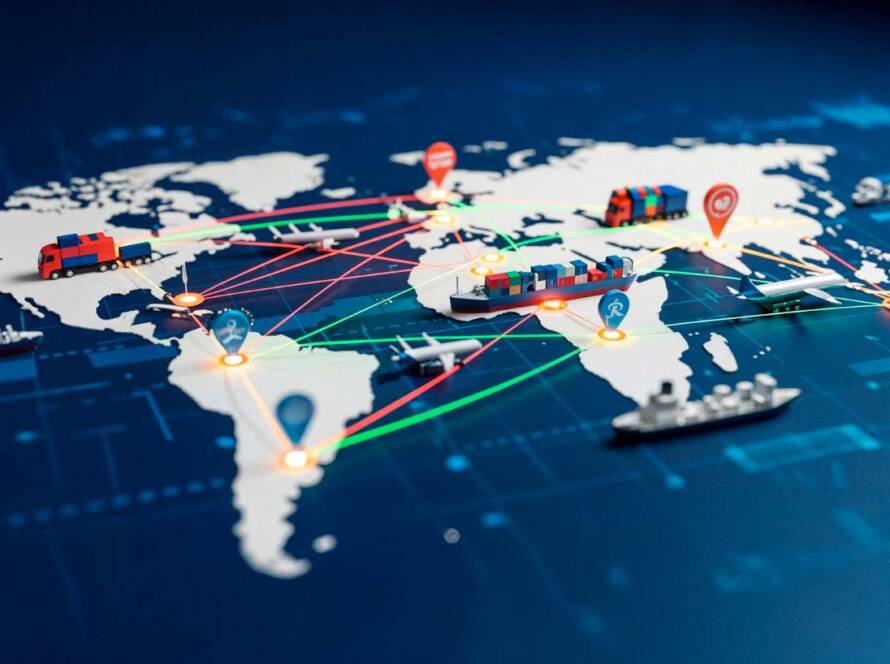
2. International Freight Forwarding
A reliable wine logistics company coordinates global transportation through:
Sea Freight
Suitable for:
- Large shipments
- Full Container Load (FCL)
- Less than Container Load (LCL)
- Bulk imports
Air Freight
Ideal for:
- Urgent deliveries
- Premium products
- Limited edition collections
- High-value cargo
Freight forwarding professionals coordinate shipping schedules, container bookings, cargo handling, and shipment tracking to ensure timely deliveries.
3. Customs Clearance
Customs clearance is one of the most important stages of alcohol logistics.
A specialized customs clearance team manages:
- Import documentation
- Product classification
- HS Code verification
- Customs valuation
- Duty assessment
- Regulatory approvals
- Cargo examination support
- Documentation compliance
Efficient customs processing helps businesses avoid unnecessary demurrage and storage charges.
Bonded Warehousing for Imported Liquor
One of the most valuable services offered by a leading liquor and wine logistics company is bonded warehousing.
A bonded warehouse allows imported alcoholic beverages to be stored under customs supervision before import duties are paid.
This provides several business advantages.
Benefits of Bonded Warehousing
Improved Cash Flow
Import duties can be deferred until products are released into the domestic market.
Flexible Inventory Management
Businesses can release inventory based on demand instead of paying duties on the entire shipment immediately.
Secure Storage
Bonded warehouses offer secure storage with inventory tracking, access control, and regulatory compliance.
Re-export Opportunities
Products can be re-exported directly from bonded facilities without entering the domestic market.
FTWZ Solutions for Global Alcohol Brands
Free Trade Warehousing Zones (FTWZs) play a crucial role in international liquor logistics.
An FTWZ allows businesses to:
- Store imported liquor
- Consolidate shipments
- Repack goods where permitted
- Re-export products
- Improve regional distribution
- Reduce logistics costs
- Optimize working capital
FTWZ solutions are especially beneficial for multinational beverage companies expanding into India and neighboring markets.
Customs Documentation Required for Alcohol Imports
Proper documentation is essential for successful customs clearance.
Common documents include:
- Commercial Invoice
- Packing List
- Bill of Lading or Air Waybill
- Certificate of Origin
- Insurance Certificate
- Import License (where applicable)
- Product Specifications
- Regulatory Certificates
- Customs Declaration Forms
Accurate documentation reduces delays and helps ensure smooth cargo clearance.
Temperature-Controlled Wine Logistics
Premium wines require carefully controlled storage conditions to preserve their quality.
A specialized wine logistics company offers temperature-controlled logistics solutions that help maintain product integrity during transportation and storage.
Benefits include:
- Stable storage temperatures
- Reduced spoilage risk
- Better product preservation
- Protection of premium labels and packaging
- Enhanced customer satisfaction
Climate-controlled warehousing is particularly important for fine wines and collectible spirits.
Technology Driving Modern Alcohol Logistics
Technology has transformed the beverage logistics industry by improving visibility, efficiency, and inventory control.
Modern logistics providers use:
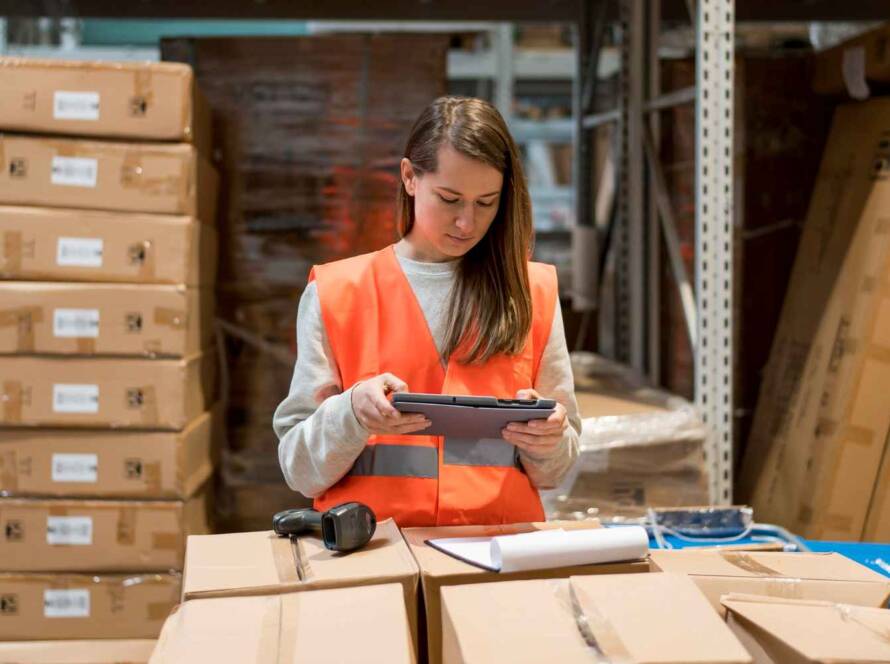
- Warehouse Management Systems (WMS)
- Barcode scanning
- RFID tracking
- GPS-enabled fleet monitoring
- Real-time shipment visibility
- Digital documentation
- Automated inventory reporting
- Electronic proof of delivery
These technologies improve operational efficiency while reducing manual errors.
Industries That Depend on Liquor Logistics
Specialized logistics services support a wide range of industries, including:
- International liquor brands
- Wine importers
- Alcohol distributors
- Retail chains
- Airport duty-free stores
- Hotels
- Restaurants
- Premium beverage wholesalers
- E-commerce beverage businesses (where permitted)
- Corporate hospitality suppliers
Each industry has unique storage, compliance, and distribution requirements that require specialized logistics expertise.
Why Choose AWAT Logistics?
Managing alcohol logistics requires more than transportation—it requires precision, compliance, and industry expertise.
AWAT Logistics offers integrated solutions that support businesses throughout the import and export process.
Our capabilities include:
- International freight forwarding
- Customs clearance assistance
- Bonded warehousing
- FTWZ logistics
- Inventory management
- Secure cargo handling
- Distribution planning
- Import-export documentation support
- Supply chain optimization
With a customer-focused approach and deep understanding of international logistics, AWAT Logistics helps businesses streamline operations while ensuring compliance with applicable regulations.
Common Challenges in Liquor and Wine Logistics
The alcoholic beverage industry operates within one of the most regulated supply chains in the world. Importers, exporters, distributors, and retailers must comply with customs regulations, excise requirements, transportation standards, and warehousing guidelines. Even minor disruptions can delay deliveries, increase operational costs, or affect product quality.
Working with a leading liquor and wine logistics company helps businesses overcome these challenges through professional planning, compliance management, and integrated logistics solutions.
Complex Customs Regulations
Every imported shipment of wine, whisky, vodka, rum, gin, beer, or other alcoholic beverages must comply with customs procedures before entering the domestic market.
Some of the most common challenges include:
- Incorrect HS Code classification
- Missing import documentation
- Delayed customs assessments
- Inaccurate customs valuation
- Regulatory inspections
- Port congestion
- Import duty calculations
Experienced customs clearance professionals reduce these risks by ensuring documents are accurate and cargo complies with applicable regulations.
Excise Compliance
Unlike many consumer goods, alcoholic beverages are also subject to state excise regulations.
Businesses importing liquor often need to coordinate with multiple authorities depending on where products will be stored or distributed.
Excise compliance may include:
- Product registration
- Label approval
- Storage permissions
- Distribution authorizations
- State-specific compliance requirements
A logistics company familiar with alcohol regulations can simplify this process and help businesses avoid unnecessary delays.
Inventory Management Challenges
Managing thousands of bottles across multiple brands, product sizes, and batches requires accurate inventory control.
Without an efficient warehouse management system, businesses may experience:
- Overstocking
- Product shortages
- Inventory mismatches
- Shipment delays
- Increased carrying costs
Modern liquor warehouses use digital inventory systems that provide real-time stock visibility, batch tracking, barcode scanning, and automated reporting to improve operational efficiency.
Temperature and Product Protection
Premium wines and certain spirits require careful handling throughout the logistics process.
Exposure to excessive heat, humidity, or improper storage conditions can affect product quality and packaging.
Professional wine logistics services help protect products through:
- Climate-controlled storage
- Secure packaging
- Proper palletization
- Careful loading and unloading
- Continuous shipment monitoring
Maintaining optimal storage conditions is particularly important for luxury wines, collectible spirits, and premium beverage brands.
Choosing the Right Liquor and Wine Logistics Company
Selecting the right logistics partner can significantly impact operational efficiency, regulatory compliance, and customer satisfaction.
When evaluating a logistics provider, consider the following factors.
Industry Experience
Look for a company with experience handling alcoholic beverages, including imported wines, premium spirits, and international liquor brands.
Industry expertise reduces the likelihood of documentation errors and customs delays.
Customs Clearance Expertise
Efficient customs clearance is critical for minimizing cargo delays and avoiding additional costs.
Choose a logistics company that understands import documentation, customs procedures, duty calculations, and regulatory compliance.
Bonded Warehousing Facilities
Bonded warehousing allows businesses to defer import duties until products are released into the domestic market.
This improves cash flow and provides greater flexibility for inventory management.
FTWZ Capabilities
Businesses involved in regional distribution or re-export operations should consider logistics partners with access to Free Trade Warehousing Zone (FTWZ) facilities.
These facilities support shipment consolidation, storage, and international redistribution.
Nationwide Distribution Network
A reliable logistics partner should provide seamless transportation to:
- Hotels
- Restaurants
- Retail chains
- Beverage distributors
- Duty-free operators
- Hospitality businesses
An efficient distribution network ensures products reach customers on time while maintaining quality.
Digital Logistics Technology
Technology plays a key role in modern supply chain management.
Look for providers offering:
- Online shipment tracking
- Digital documentation
- Warehouse Management Systems (WMS)
- Inventory dashboards
- GPS fleet monitoring
- Electronic Proof of Delivery (ePOD)
Digital visibility improves decision-making and enhances customer confidence.
Why AWAT Logistics Is the Right Partner
At AWAT Logistics, we understand that transporting alcoholic beverages requires precision, compliance, and operational excellence.
Our integrated logistics solutions are designed to simplify the movement of imported and exported liquor while helping businesses reduce costs and improve supply chain performance.
Our services include:
- International freight forwarding
- Customs clearance support
- Bonded warehousing
- FTWZ logistics
- Import and export documentation
- Inventory management
- Secure transportation
- Cargo handling
- Distribution planning
- Supply chain optimization
Whether you are an importer of premium wines, a distributor of international spirits, or a global beverage brand entering the Indian market, our experienced team works to deliver reliable, compliant, and efficient logistics solutions.
Future of Liquor and Wine Logistics
The beverage logistics industry continues to evolve with advancements in technology and growing consumer demand.
Key trends shaping the future include:
- AI-powered inventory forecasting
- Automated warehouse management
- Blockchain-enabled shipment tracking
- Smart customs documentation
- IoT-based temperature monitoring
- Sustainable transportation solutions
- Real-time supply chain visibility
- Digital compliance management
Businesses that embrace these innovations will improve efficiency, reduce operational risks, and strengthen their competitive position.
Frequently Asked Questions
What is a liquor and wine logistics company?
A liquor and wine logistics company specializes in transporting, storing, importing, exporting, and distributing alcoholic beverages while ensuring compliance with customs and excise regulations.
Why should businesses choose specialized alcohol logistics?
Alcohol logistics involves unique regulatory, customs, and storage requirements that general logistics providers may not be equipped to handle.
What is a bonded warehouse?
A bonded warehouse is a customs-approved storage facility where imported goods can be stored before import duties are paid, helping businesses improve cash flow and inventory management.
How does FTWZ benefit liquor importers?
FTWZ facilities enable businesses to store imported goods, consolidate shipments, defer duties where applicable, and support regional distribution and re-export operations.
Can imported wines require temperature-controlled storage?
Yes. Premium wines and certain spirits benefit from climate-controlled storage to help preserve product quality during warehousing and transportation.
What documents are commonly required for importing alcoholic beverages?
Typical documents include the commercial invoice, packing list, bill of lading or air waybill, certificate of origin, insurance certificate, import licenses where applicable, and customs declarations.
How can a logistics partner help reduce delays?
An experienced logistics provider assists with documentation accuracy, customs coordination, bonded warehousing, shipment planning, and inventory management, reducing the likelihood of delays and additional costs.
Conclusion
As the global market for premium wines and spirits continues to grow, businesses need logistics partners who understand the complexities of alcohol transportation, customs clearance, bonded warehousing, and supply chain management.
A leading liquor and wine logistics company offers far more than transportation. It provides integrated logistics solutions that help businesses move products safely, remain compliant with regulations, optimize inventory, and improve operational efficiency.
Whether you import premium whisky, wine, vodka, rum, gin, or export Indian spirits to international markets, choosing an experienced logistics partner can make your supply chain more reliable, cost-effective, and scalable.
At AWAT Logistics, we are committed to delivering professional logistics solutions tailored to the unique needs of the beverage industry. From international freight forwarding and customs clearance to bonded warehousing, FTWZ services, and nationwide distribution, we help businesses build efficient and compliant supply chains.
Ready to Optimize Your Beverage Supply Chain?
Partner with AWAT Logistics for reliable liquor and wine logistics solutions designed to support importers, exporters, distributors, retailers, and global beverage brands.
Contact our team today to discuss your customs clearance, bonded warehousing, FTWZ, and international logistics requirements.